Designing with the Body Clock: Bringing Circadian Rhythm into Your Home
Our homes are more than just the places we live – they’re environments that influence how we feel, rest and recharge. One of the most powerful yet often overlooked elements of wellbeing in the home is circadian rhythm – our body’s natural 24-hour cycle that governs sleep, energy, mood and even digestion.
When our homes support this internal clock, we sleep better, feel more energised and live with greater balance. When they don’t, we can feel sluggish, stressed or out of sync. The good news? With a few mindful design choices, you can align your interiors with your circadian rhythm and create a space that truly supports your wellbeing.
What Is Circadian Rhythm?
Circadian rhythm is your body’s internal timekeeper, guided largely by light and darkness. It tells you when to wake up, when to feel alert and when it’s time to rest. For centuries, humans lived closely aligned with natural cycles – rising with the sun and winding down with dusk. In today’s world of artificial lighting, screens and home working, our rhythms can easily fall out of balance.
Why Circadian Rhythm Matters in the Home
Your home is the one environment you can truly shape. By designing with circadian rhythm in mind, you can:
-
Improve sleep quality with lighting that signals to the body when it’s time to rest.
-
Boost energy and productivity during the day with the right exposure to natural and artificial light.
-
Enhance mood and mental health by reducing overstimulation at night and maximising natural light in the day.
-
Create a natural flow that feels soothing and intuitive, supporting both body and mind.
How to Support Circadian Rhythm Through Interior Design
1. Maximise Natural Light
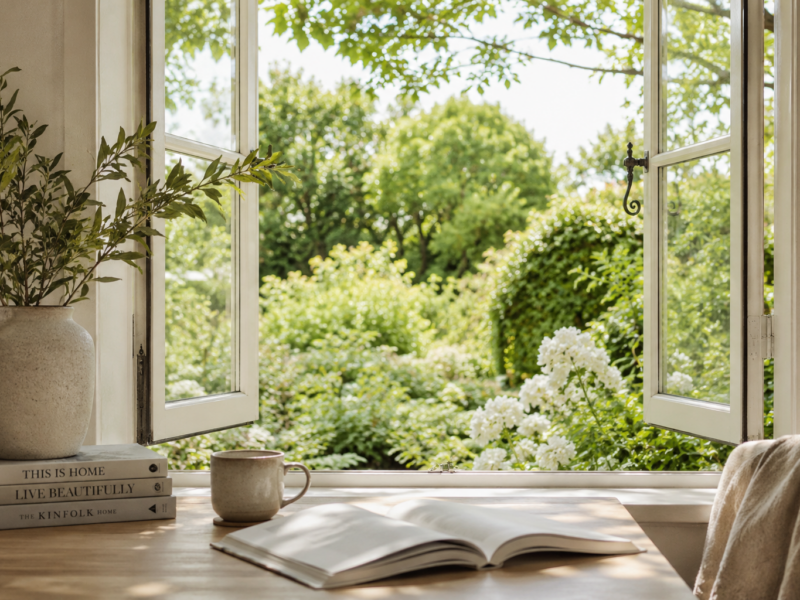
Arrange furniture to make the most of windows. Mirrors can reflect and spread daylight deeper into a room. Choose light curtains or blinds that let in the morning sun, supporting a natural wake-up cycle.
Wellbeing Tip: Try enjoying your first cup of tea or coffee by a sunny window instead of in a dim corner. This simple ritual tells your body it’s daytime and sets you up with more energy.
2. Layered Lighting for Day and Night
Use cooler, brighter lights in work areas during the day, and warm, dim lighting in the evening to signal wind-down time. Salt lamps, candles and warm LEDs create a soothing dusk-like atmosphere.
Wellbeing Tip: If you work from home, switch on brighter lights when you start work, then deliberately change to softer lamps in the evening. That physical act of dimming the lights becomes a little “signal” to your body that the working day is done.
3. Bedroom Sanctuary
Prioritise darkness at night and gentle light in the morning. If your room is affected by streetlights, use blackout curtains or blinds to create a deep-sleep environment. In the morning, open them fully to let natural light signal to your body that it’s time to wake. If your bedroom isn’t exposed to artificial light, lighter curtains can work beautifully to allow the dawn light to filter in naturally.
Wellbeing Tip: Create a no-screens bedtime ritual. Reading a chapter of a book, journalling or simply lighting a candle and breathing deeply can help your mind settle, while your environment supports deep, restorative sleep.
4. Biophilia and Natural Cues
Plants, natural textures and earthy tones subtly remind your body of the outdoors. These natural cues help keep your body clock aligned with the rhythms of nature.
Wellbeing Tip: Try moving your morning stretches, meditation or yoga practice near a window surrounded by plants. That connection to greenery and daylight sets a positive tone for your day.
5. Mindful Evening Rituals
Design spaces that invite relaxation. A reading nook with soft lighting, a corner for meditation or simply a cosy blanket basket can encourage calming, screen-free routines that prepare your body for sleep.
Wellbeing Tip: Swap scrolling on your phone at night for something more calming such as sketching, knitting or brewing a soothing herbal tea. These gentle rituals give your mind space to slow down, ease mental busyness and allow you to fully unwind. In turn, your home becomes a sanctuary where you can end the day feeling settled and at peace.
A Home That Supports Your Whole Self
At Dwellbeing, I believe that a truly supportive home nurtures both body and mind. Designing with circadian rhythm in mind isn’t just about aesthetics – it’s about creating a lifestyle that honours your health, energy and wellbeing.
When your home works in harmony with your natural rhythms, you’ll find yourself not just living in your space, but thriving in it.